
How to Wash a Comforter at Home (And When to Use a Laundromat)
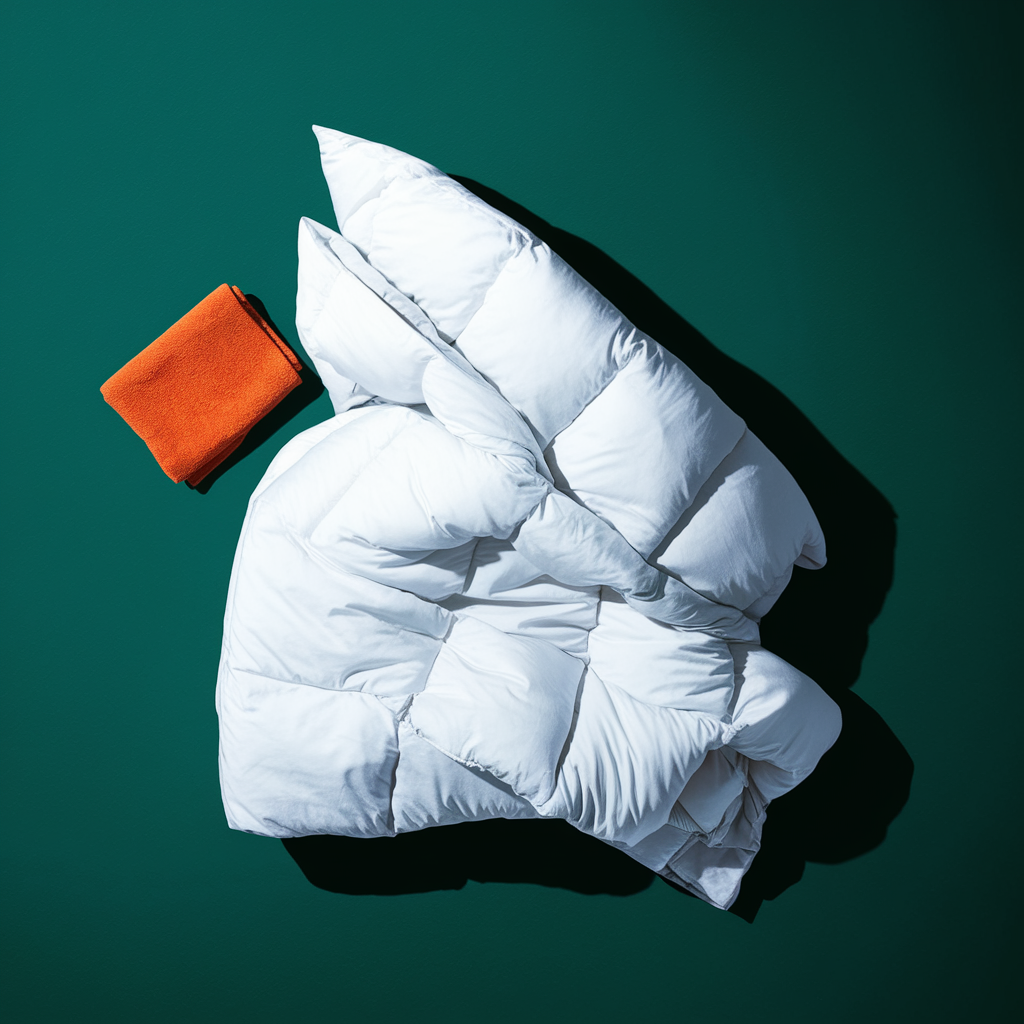
Your comforter works hard every night — absorbing sweat, skin cells, body oils, and whatever snacks may have made their way into bed. Yet most people wash their comforter far less often than they should. Whether you're tackling it for the first time or looking for a better method, this guide walks you through exactly how to wash a comforter at home — and helps you recognize when it's time to leave it to a laundromat with the right equipment.
How Often Should You Wash Your Comforter?
Before we get into the how, let's talk about the when. Most sleep experts recommend washing your comforter every 2 to 3 months under normal use. If you sleep without a duvet cover, have pets that share the bed, or suffer from allergies, you'll want to bump that up to once a month.
Signs it's definitely time for a wash:
Visible stains or discoloration
A musty or stale odor
Increased allergy symptoms at night
It's been more than 3 months since the last wash
A clean comforter isn't just about hygiene — it also helps the filling maintain its loft and insulating properties over time.
What You Need Before You Start
Washing a comforter at home requires a bit of preparation. Gather the following before you begin:
A large-capacity washing machine (top-load or front-load, at least 4.5 cu. ft.)
Mild liquid detergent — avoid powder detergents, which can leave residue in thick filling
Dryer balls or clean tennis balls — these help break up clumps in the filling during drying
Stain remover — for any spots that need pre-treatment
One important note: if your home washing machine is a standard or smaller model, your comforter may not fit properly. An overstuffed machine won't clean effectively and can actually damage both the machine and your comforter. More on this below.
Step-by-Step: How to Wash a Comforter at Home
Step 1: Check the Care Label First
This step is non-negotiable. Every comforter has a care label sewn into the seam that tells you:
Recommended water temperature
Whether machine washing is safe
Drying instructions
Whether dry cleaning is required
Down comforters, for example, often require cold or warm water on a gentle cycle, while synthetic-fill comforters are generally more forgiving. Silk or wool-filled comforters may be dry clean only attempting to machine wash these can cause irreversible damage.
Step 2: Pre-Treat Any Stains
Before washing, inspect your comforter for stains and spot-treat them with a gentle stain remover or a small amount of liquid detergent. Work the solution in gently with your fingers or a soft brush, then let it sit for 10–15 minutes before loading the machine.
Step 3: Load the Machine Correctly
Place your comforter loosely in the drum — do not pack it in or fold it into a tight bundle. The comforter needs room to move freely so water and detergent can circulate through the filling. If it doesn't fit without cramming, stop here and skip to the laundromat section below.
Add a small amount of mild liquid detergent roughly half the amount you'd use for a regular load. Too much detergent can leave residue in the filling that's difficult to rinse out.
Step 4: Select the Right Wash Settings
Water temperature: Cold or warm (check your care label)
Cycle: Gentle or delicate
Extra rinse: Enable this if your machine has it — comforters trap detergent easily and benefit from an additional rinse cycle
Avoid hot water unless the care label specifically allows it, as heat can damage down clusters and synthetic fibers.
Step 5: Run an Extra Rinse Cycle
Once the wash cycle completes, run one additional rinse cycle. This helps ensure all detergent is thoroughly removed from the thick filling. Detergent residue left in a comforter can cause it to feel stiff, smell soapy, and break down the filling material over time.
Step 6: Dry Thoroughly This Is the Most Important Step
Drying is where most people go wrong. A comforter that isn't completely dry all the way through can develop mildew inside the filling — even if the outside feels dry to the touch.
Here's how to dry your comforter properly:
Use a large-capacity dryer on low heat
Add 2–3 dryer balls (or clean tennis balls in a sock) to help fluff the filling and prevent clumping
Dry in long cycles — a comforter typically takes 2 to 3 hours to dry completely
Check for damp spots by squeezing different areas of the comforter every 30–45 minutes
Continue drying until every section is completely dry with no cool, damp patches
If your home dryer is too small to allow the comforter to tumble freely, you're not going to get an even dry — which is a problem.
Common Comforter Washing Mistakes to Avoid
Even with the best intentions, it's easy to make mistakes that can shorten your comforter's lifespan. Watch out for these:
❌ Using too much detergent — leads to residue buildup and stiffness
❌ Washing in a machine that's too small — poor cleaning and potential damage
❌ Using hot water on down — shrinks and damages natural clusters
❌ Removing from dryer too soon — leads to mildew inside the filling
❌ Skipping the extra rinse — trapped soap degrades filling over time
❌ Ignoring the care label — especially risky with specialty fills like wool or silk
When to Wash Your Comforter at a Laundromat Instead
Here's the honest truth: most home washing machines and dryers simply aren't big enough to properly wash a queen or king-size comforter. Standard home appliances typically max out around 4.5–5.0 cubic feet, which is often not enough room for a thick comforter to move and rinse freely.
You should bring your comforter to a laundromat when:
✅ Your home washer is a compact or standard-size model
✅ You have a queen, king, or oversized comforter
✅ Your comforter is filled with down or another delicate material
✅ You want to ensure it's fully dried without risking mildew
✅ It's been a long time since the last wash and needs a deep clean
✅ You notice your home machine struggling or becoming unbalanced during the cycle
Laundromats with large-capacity, commercial-grade washers and dryers typically 5.0 to 9.0 cubic feet give your comforter the space it needs to get genuinely clean and dry all the way through. The higher spin speeds of commercial machines also extract more water before drying, which means faster, more even drying and less risk of mildew.
How to Care for Your Comforter Between Washes
You don't have to wash your comforter every week to keep it fresh. Here are a few habits that extend the time between washes:
Use a duvet cover — it takes the brunt of daily contact and can be washed weekly like regular bedding
Air it out regularly — hang your comforter outside or near an open window for a few hours every couple of weeks
Shake it out daily — redistributes the filling and allows moisture to escape
Spot clean immediately — address spills and stains right away before they set
Store properly — when not in use, store in a breathable cotton bag, never plastic, which traps moisture
A Quick Reference: Comforter Washing by Fill Type
Fill TypeMachine Washable?Water TempSpecial NotesSynthetic / PolyesterYesCold or warmMost forgiving fill typeDown / FeatherUsually yesCold, gentle cycleUse down-specific detergentDown AlternativeYesCold or warmCheck label for heat toleranceWoolOften dry cleanCold if allowedShrinks easily in heatSilkDry clean only—Never machine wash
Clean Comforter, Better Sleep
Washing your comforter regularly is one of the simplest things you can do for better sleep hygiene and a longer-lasting bedding investment. With the right preparation, proper settings, and enough drying time, home washing works well for many comforters. But when size or equipment is a limiting factor, a quality laundromat with commercial-capacity machines is always the smarter, safer choice.
Bring Your Comforter to Coco Laundry, We've Got the Machines for the Job
Not sure your home washer and dryer are up to the task? You don't have to risk it. Coco Laundry has the large-capacity commercial equipment your comforter deserves.
Coco Laundry is your trusted laundromat serving Long Beach, California. We provide:
Self-Service Laundry: Modern, high-capacity washers and dryers for all your laundry needs — including king-size comforters and bulky bedding
Wash & Fold Service: Drop off your laundry and let our experienced team handle the rest
Commercial Laundry Solutions: Reliable service for restaurants, salons, gyms, and businesses
Clean, Safe Environment: Well-maintained equipment in a comfortable, welcoming space
Located in the heart of Long Beach, we're committed to making laundry day easier for our community. Whether you need to tackle tough stains, wash bulky items, or simply save time, we're here to help.
Visit Coco Laundry today and experience the difference quality laundry care makes!
